The bond formed with the sea goes beyond being a profession in some lives; over time, it becomes a
transforms into culture and a memory passed down from generation to generation. Vedat, founder of Tacar Boat
The story of Fikret Tacar is one of the best examples of this. This story, from within the tradition
the permanent relationship established between an emerging mastery and the production modes of modern times
It explains.
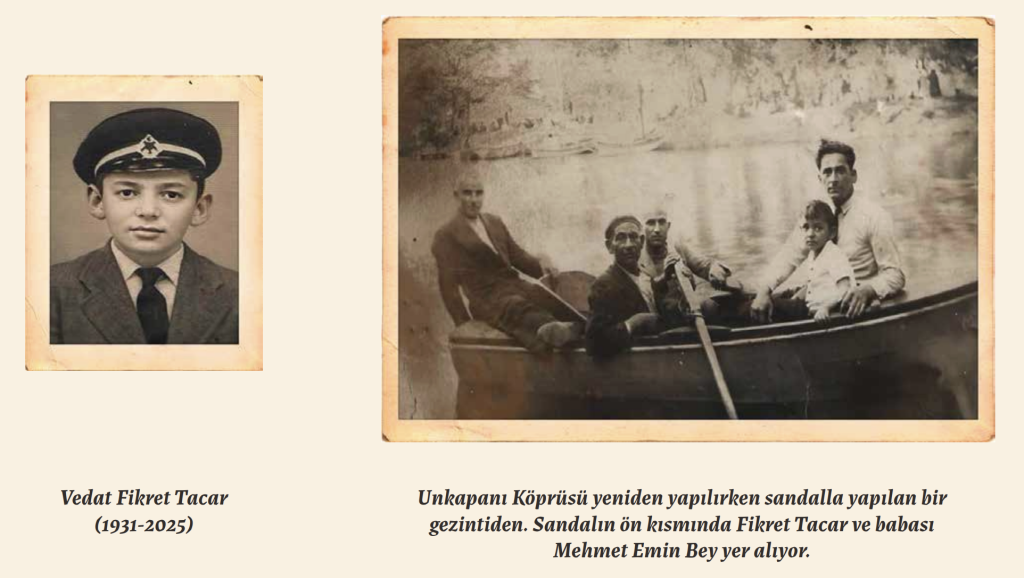
Vedat Fikret Tacar was born in Istanbul in 1931. His passion for the sea, whom he called “Uncle Mehmet,”
during the years when he carried provisions to the ships in the Bosphorus with the boat of Mehmet from İnebolu, whom he commemorated
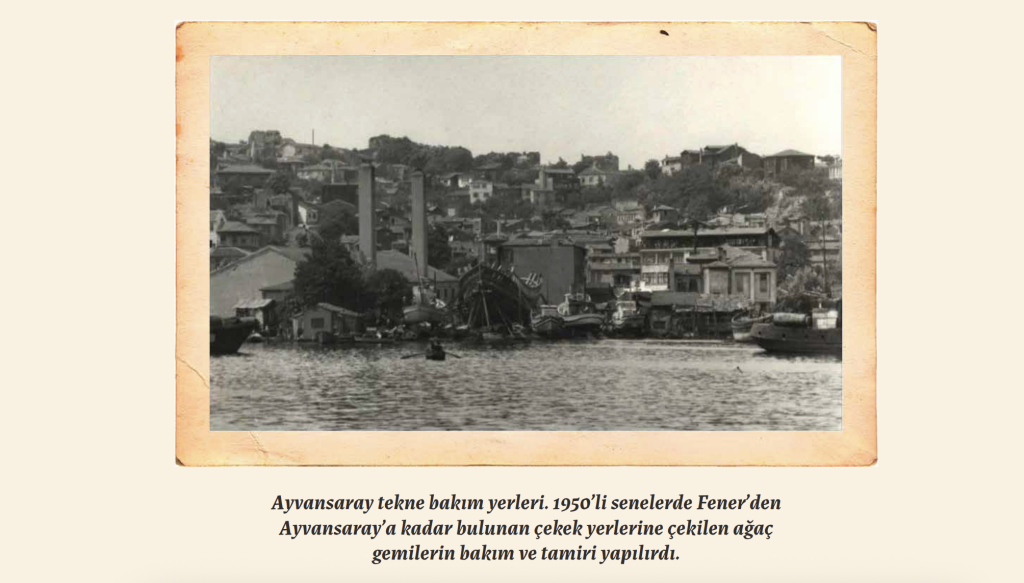
begins. The boat-building profession, in Ayvansaray, which is considered the school of this trade, the most famous of the period
learns alongside their master, Master Fazıl. Here, the carved work, also known as the “palace boat”
He builds boats. These are the years when the profession that will determine the direction of his life slowly takes shape
is the time it assumes.
“In the past, there used to be the tradition of Ahi-ism in Ayvansaray. For an apprentice who had reached a certain maturity, his master
and neighbors gather together, permission is given to the apprentice, the apprentice kisses the master's hand, and becomes a journeyman
would pass to his level, and his daily wage would increase accordingly. This ceremony is on Friday after the prayer
it is done, the apprentice makes peace with his master, and the local tradesmen would witness it.”
According to tradition, a business is not opened where the master is. Do not open your own place after military service.
begins their search. The workshop they opened in Mudanya in 1954 becomes the first space where this search finds a response.
Mudanya Period
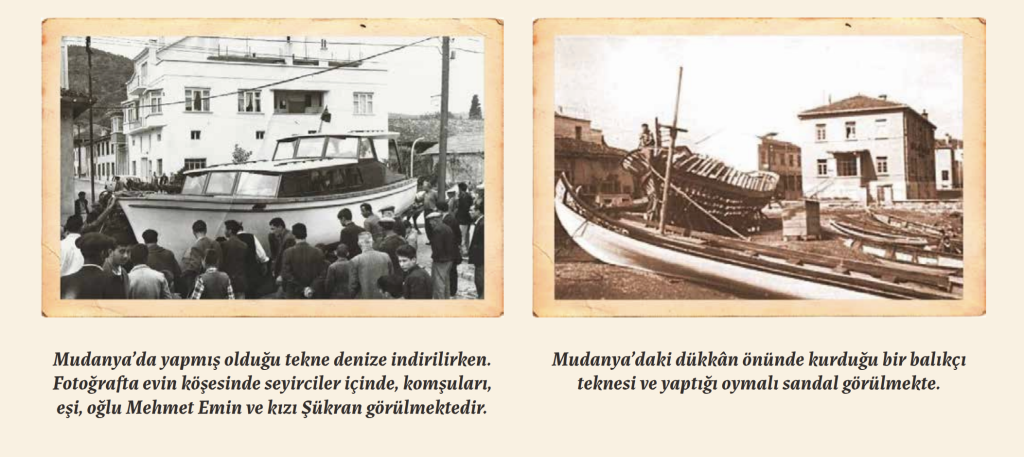
He starts building wooden rowboats and fishing and excursion boats in his workshop in Mudanya.
When his talent for painting is combined with his mastery of boat building, uniquely designed boats
Reveal.
“which is opposite the hospital in the city center in Mudanya and has a hotel above it
power outage during the launching of the wooden boats produced in his shop into the sea
It is said that boats were taken across the street.”
In times of crisis, he tries different ways to survive. Behind the fishing boat
He ties the rowboats and cutters together in a row and takes them to Istanbul to sell them to the mansions along the Bosphorus.
It leaves Mudanya; passing straight from Armutlu, it rounds the cape called Bozburun, enters the Strait, and the waterfront residence
They sell in front of them and in the slipways.
When the 1958 economic crisis broke out, boat sales stopped for a while. During this period, Fikret
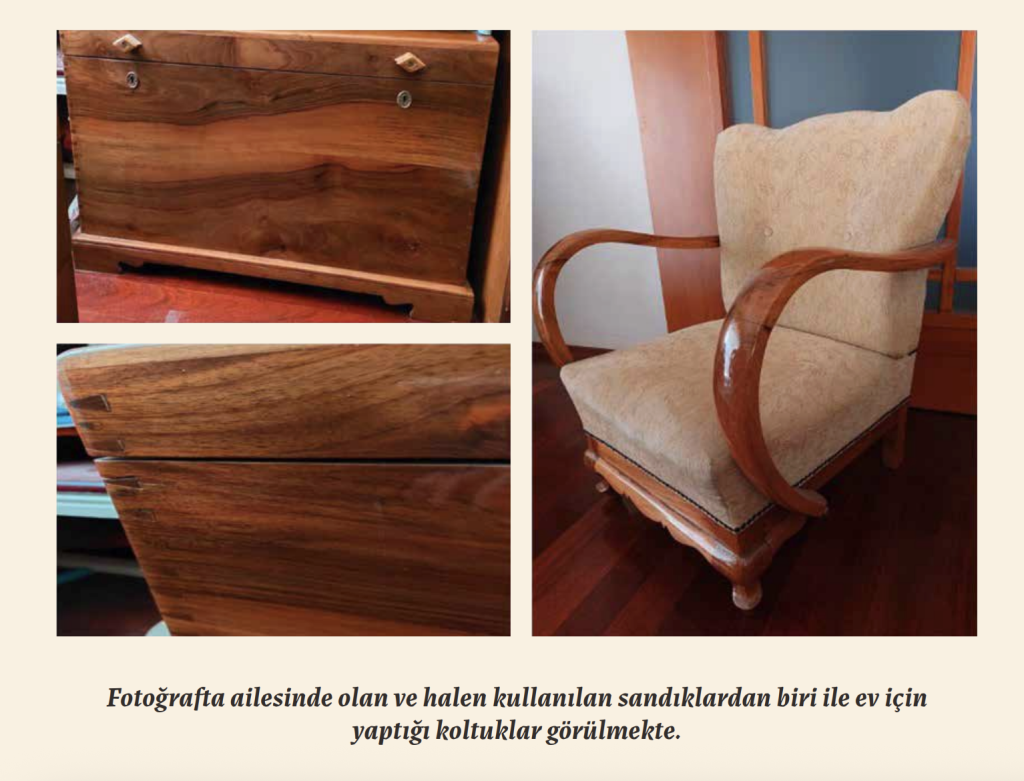
Tacar makes elegant dowry chests with interlocking edges and no nails. Until the boat-building work starts,
This, where the expatriate shop workers from Cide and Alaplı were receiving their weekly wages two by two,
He takes them out of the chests. The wardrobe he made from walnut wood, the carved coffee tables, the corner shelf, and
The sewing box with a bird-carved lid is still kept at the company today as a memento.
He goes by boat to Karacabey, to Çapraz Creek, to buy the trees he will use in boat building.
He moors the entry boat. The timber warehouses are here, by the seaside. Then to the Bosphorus locality
it passes and follows the path running through the Longoz Forests to reach the Karacabey Road;
He walks a full six hours to the Forestry Administration to reach the center and carry out the procedures. Procedures
After completing and paying the timber fee, he returns to his boat; the timber he had loaded
He brings it to his shop in Mudanya.
“Fikret Tacar goes to Istanbul again one day with his fishing boat. On the day of his return, the weather blows up,
The family members and servants await him with curiosity. To the minaret for the evening call to prayer
The muezzin who comes out sees the boat coming from afar and shouts, ‘Fikret is coming, Fikret is coming,’
announces. All the residents of Mudanya gather on the beach; with tears of joy, he/him/herself
they meet and together, while he was still inside, lift the boat and carry it ashore
they pull it in; thus preventing it from crashing ashore and breaking apart.”
Mudanya years; the consolidation of mastery, the testing of endurance, and different production in moments of crisis
There comes a time when your ways are tested.
Izmir Period
, 1963, driven by the desire to develop his business and the impact of new relationships established on the occasion of the Izmir Fair
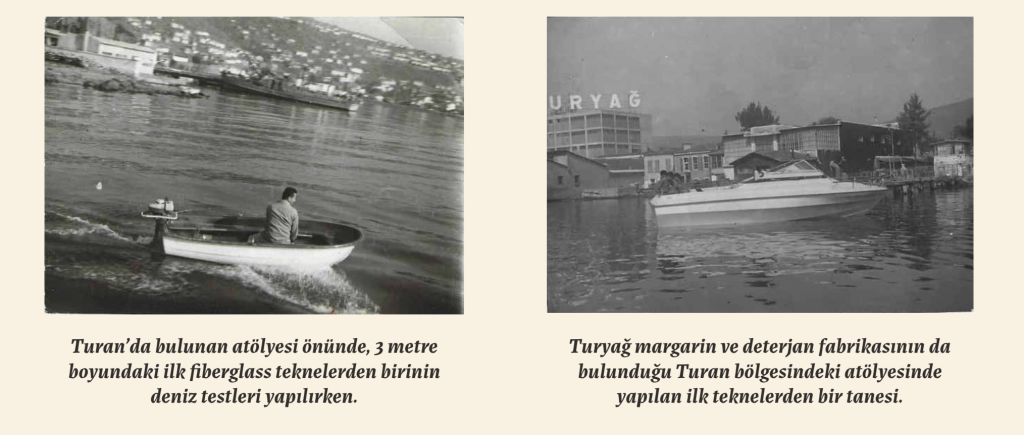
He moves to Izmir in the year [10]. To Turan—the boat production region of that era—[he/she/they] [10] production items
he brings it with a large truck. In the years he arrived, boat production in Izmir was limited; slipways and
workshops, Bayraklı Turan, which is in front of the Coast Guard Command today
is in the region.
Turan Years
In Turan in those years, there was the Mahmut Usta Shipyard, which could be considered Izmir's first shipyard.
belonging to names such as Master Muhittin and Master Mehmet the Boatman, who are no longer active in the region today
are also located.
Another memorable aspect of Mahmut Usta Shipyard is that Mahmut Usta's
The person who brought the rock on the grave of Atatürk's mother Zübeyde Hanım from the mountain
is to be
After settling in Izmir, its corporate identity also becomes distinct: in 1968, with registration number 425
How many companies registered with the Izmir Trade Registry Office demonstrate their loyalty to Izmir in their logos
makes it visible with the name Izmir where it takes place.
In this logo designed by Vedat Fikret Tacar, a crown is seen at first glance; the crown is also
it symbolizes a boat in time. The points on the right and left ends are inside the boat
passengers, if the fluid form of the letters “tacar”, what the boat leaves behind as it moves forward
It represents the waves.
Until then, Fikret Tacar, who mainly produced wooden boats, was at European fairs in those years new
He begins to closely monitor the newly emerging fiberglass boats and new materials.
Finds polyester and fiberglass samples, conducts experiments. Established in Izmir during the same period
Dewilux Factory starts polyester production; Tacar also [starts] Turkey's first fiberglass boat
produces.
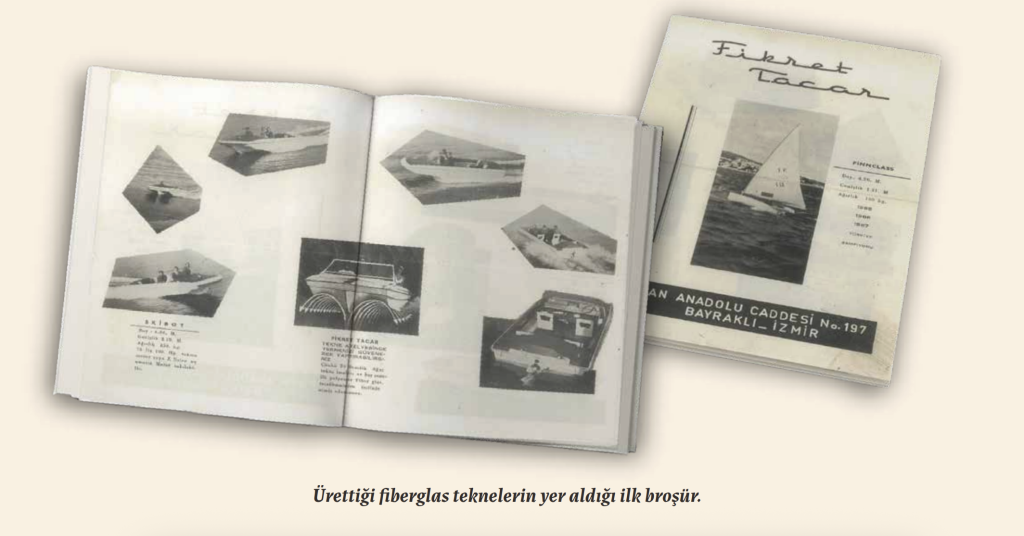
The first boats he produced from fiberglass were the Finn and Snipe types manufactured for sailing clubs.
are boats. The first of these boats, the Finn, was the Turkish Champion in 1965, 1966, and 1967.
Okay.
While continuing wood production on the one hand, 3-meter-long polyester boats on the other
It starts producing speed boat models with a length of 4–4.5 meters. This new material
Since it took time to gain acceptance, for many years it produced wood and fiberglass-based products together
maintains.
In 1978, build two yachts with lengths of 19 and 20 meters using the three-layer cross-lamination technique.
makes. Produced with this technique, which still maintains its validity in wooden boat building today
one of the yachts is exported to England; while the other is delivered to its British owner living in Izmir.
is done.
Tacar Boat's “Firsts”
During this period, Fikret Tacar participates in domestic and international fairs. The boat industry in Izmir
between the years 1900 and 2000, when it developed, boat builders from Izmir, as if making a landing,
attending trade fairs in Istanbul, and the boats to the ferry operating between Izmir and Istanbul
are transported to exhibition grounds by being loaded.
IAOSB Years
With the implementation of the “Izmir New City Center Plan,” which also covers the Turan region
planning of high-rise buildings, residences, hotels, and a marina together in the region
it comes to the agenda; factories and workshops are removed. Upon this, Fikret Tacar, his production
transports to the İzmir Atatürk Organized Sanayi Bölgesi located in Çiğli and conducts its operations here
maintains.
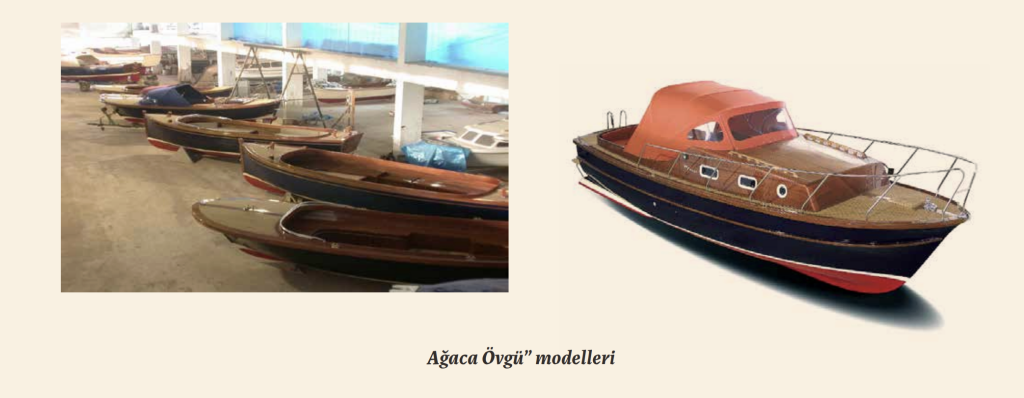
After moving production to IAOSB, he gives importance to export. If composite material comes to the fore
the wood named “praise to the tree”, which has also seen interest and response in foreign markets
continue to produce boats.
Fikret Tacar is a visionary entrepreneur who achieved many innovations throughout his working life
referred to as. By the Aegean Region Chamber of Industry, in the automotive industry professional branch, the highest
is deemed worthy of the certificate of achievement as the third company to realize the export. In this process,
as well as wooden boats, motor yachts to be exported to many countries of the world,
manufactures parachute boats, sports boats, custom-made ambulance boats and fishing boats.
Growing with its own resources and managing to survive many periods of crisis, the company, Mudanya
continues the tradition of “developing alternative businesses in times of crisis” that began during the period.
one of the ventures is a motorized, three-wheeled recreational vehicle produced and sold for the American market
It becomes a purposeful vehicle: this practical model produced in 1998, featuring a trunk in the back
exported directly to America.
The boat industry is like a pond
In the words of Fikret Tacar's son, Mehmet Emin Bey: “The boat industry to the lake
similarly; while water is receding from the lake, it withdraws from this sector first, and after the crisis is over, water to the lake
When walking around, this place is always the last in line to be visited.”
Fikret Tacar, who dedicated his life to the sea and seafaring, passed away in 2025.
Today, at the helm of Tacar Boat are his son Sabri Tacar, his daughter Şükran Tacar, and his grandchildren
is located. Keeping traditional craftsmanship alive alongside modern production, the company,
It has been continuing its activities in Izmir with a heritage approaching seventy years.
A small detail
When it was first established, its four-digit telephone number 80 69, with the additions made today
the fact that it continues to be used is a small but telling sign of Tacar Boat's continuity
It is a meaningful detail.